Mold Inspection and Testing
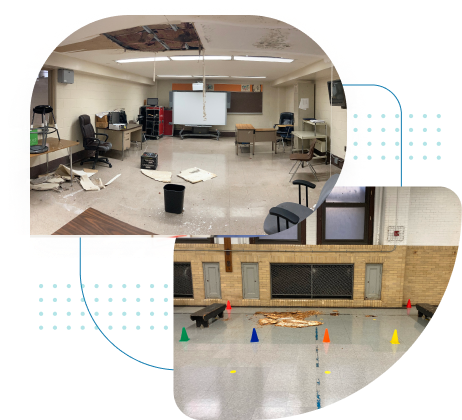
Criterion’s industrial hygienists identify mold growth, assess mold, and conduct testing of air, surface, and water samples to determine mold species and concentrations.
Specialty Certifications
CIH-CP 12678
CIH-CP 12923
What is mold and what causes it?
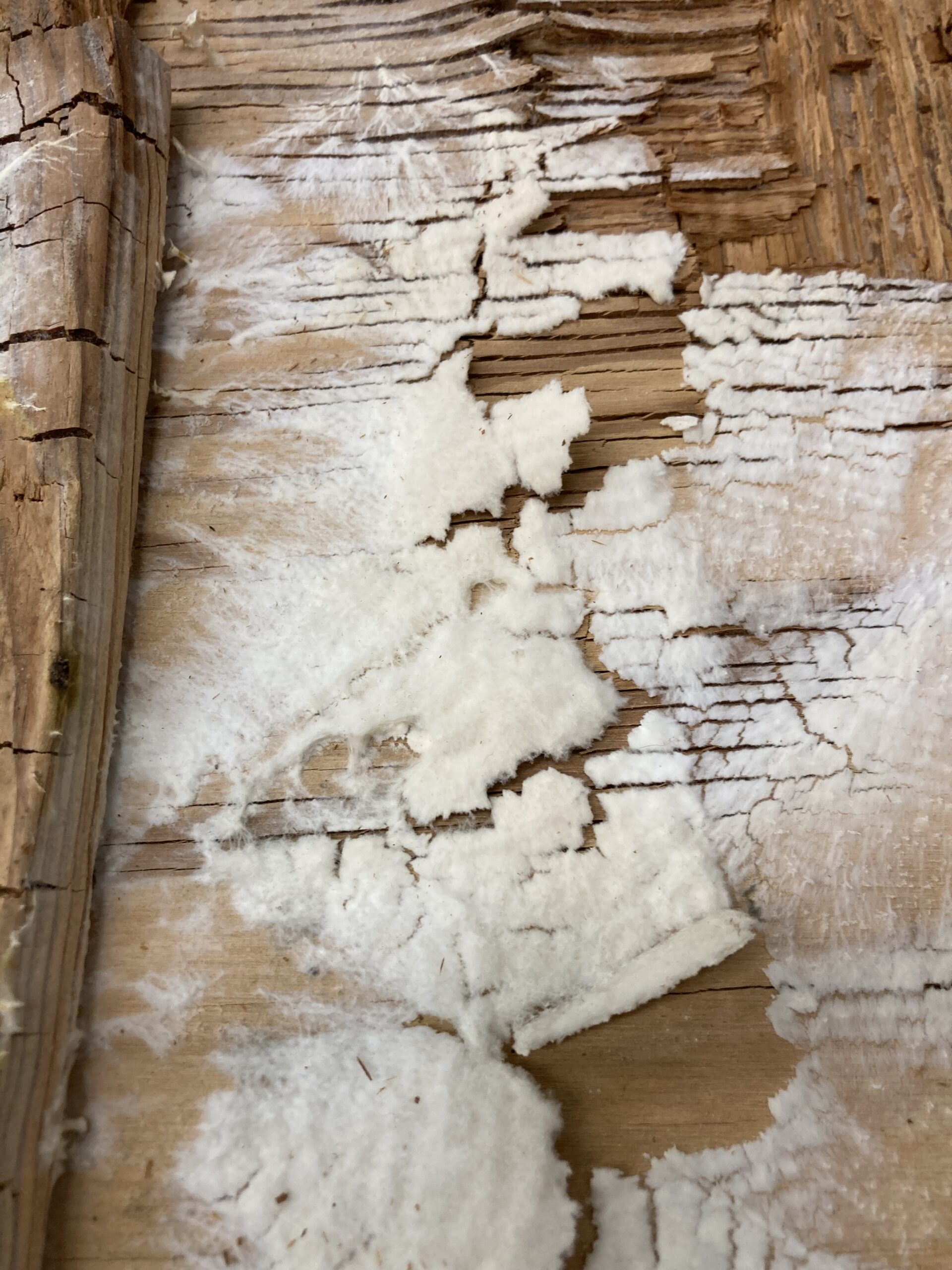
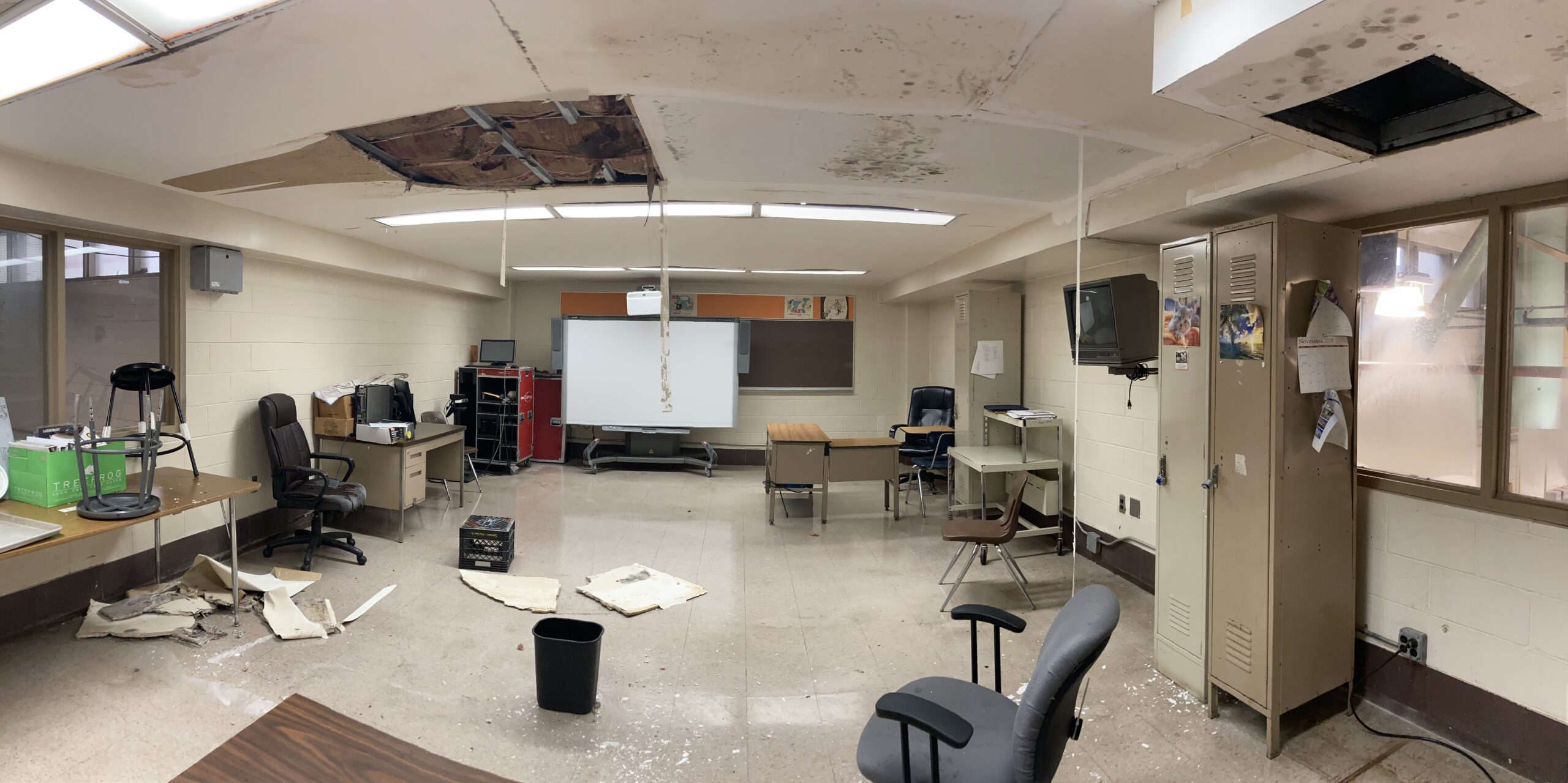
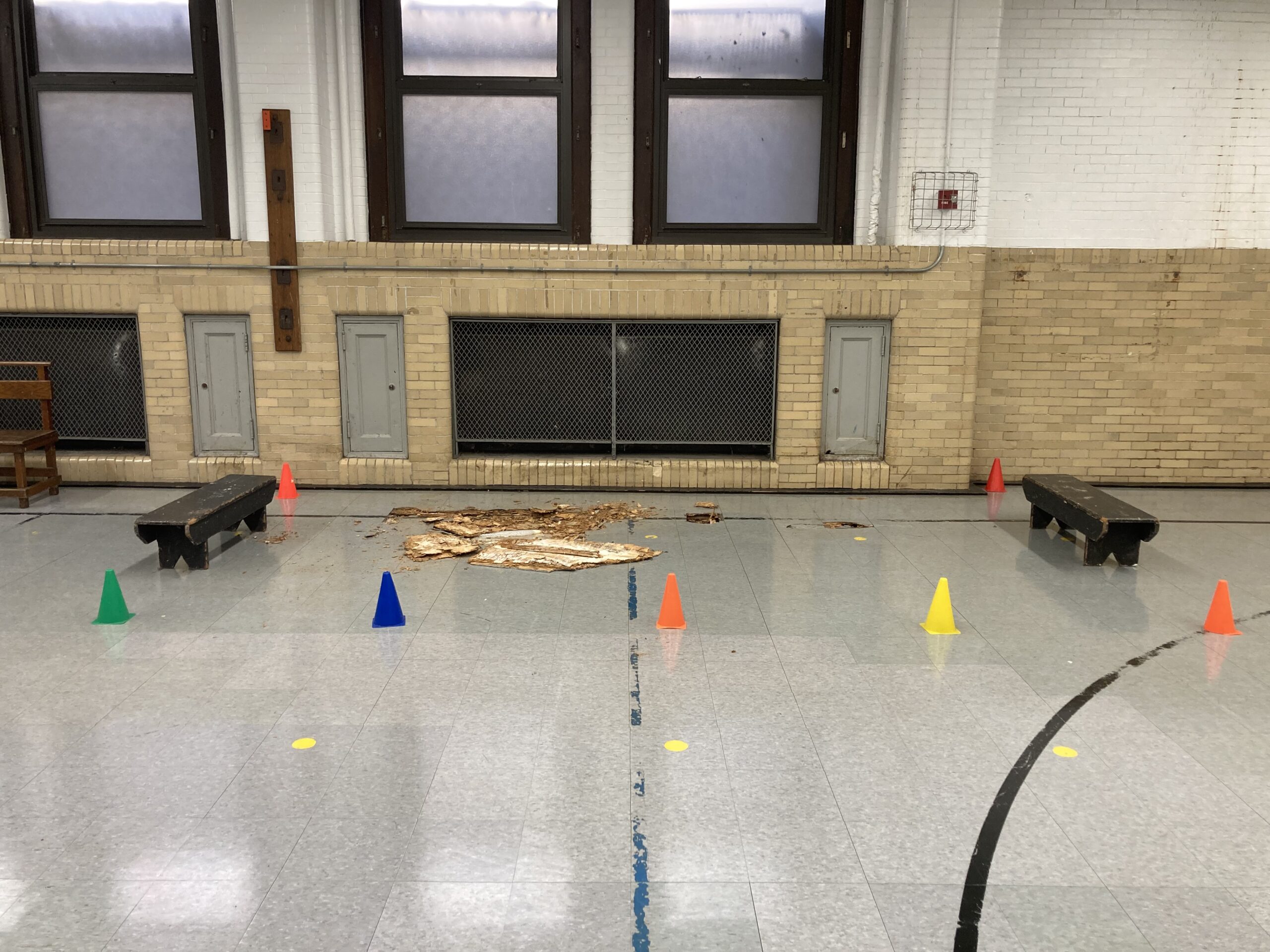
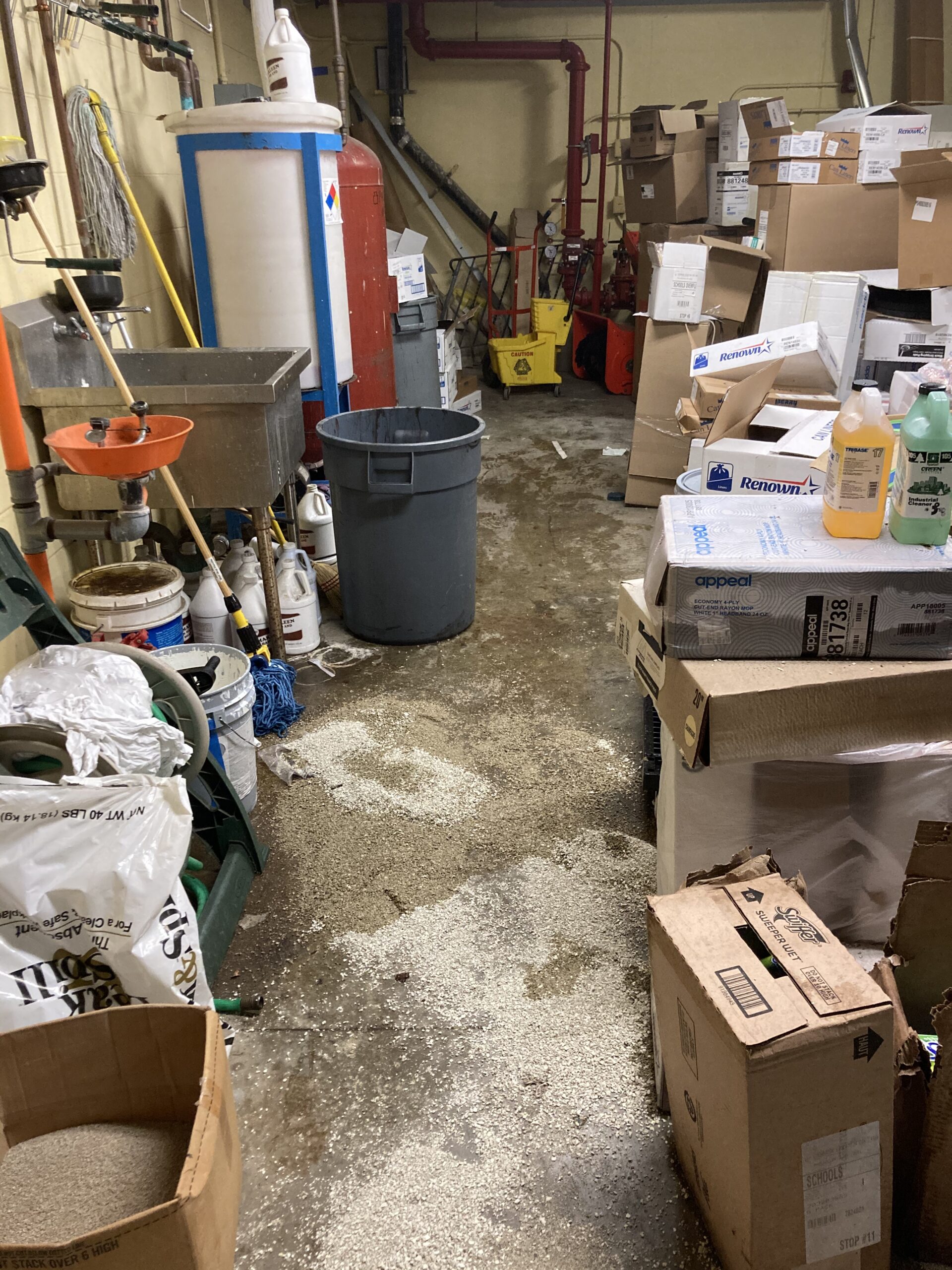
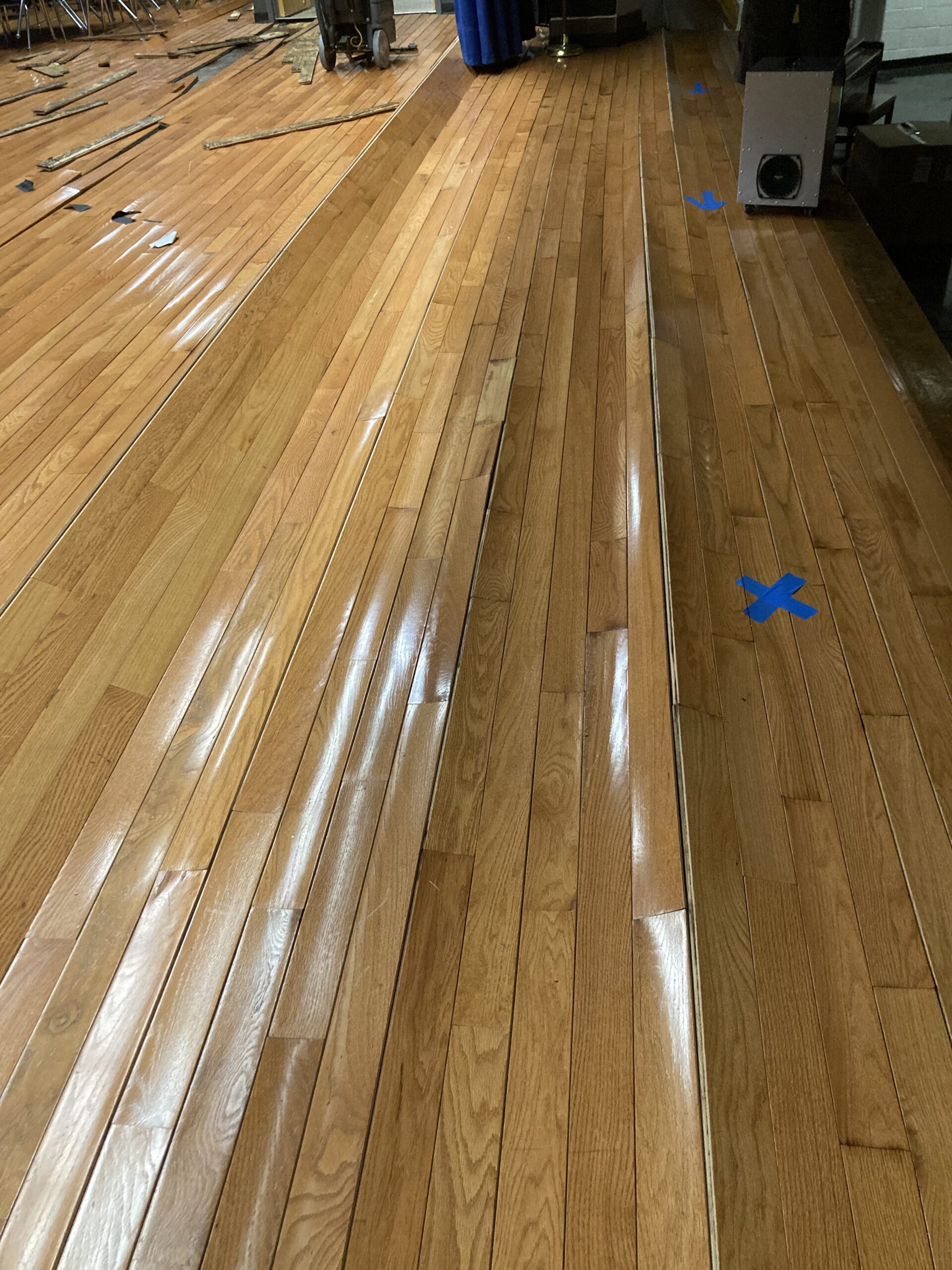
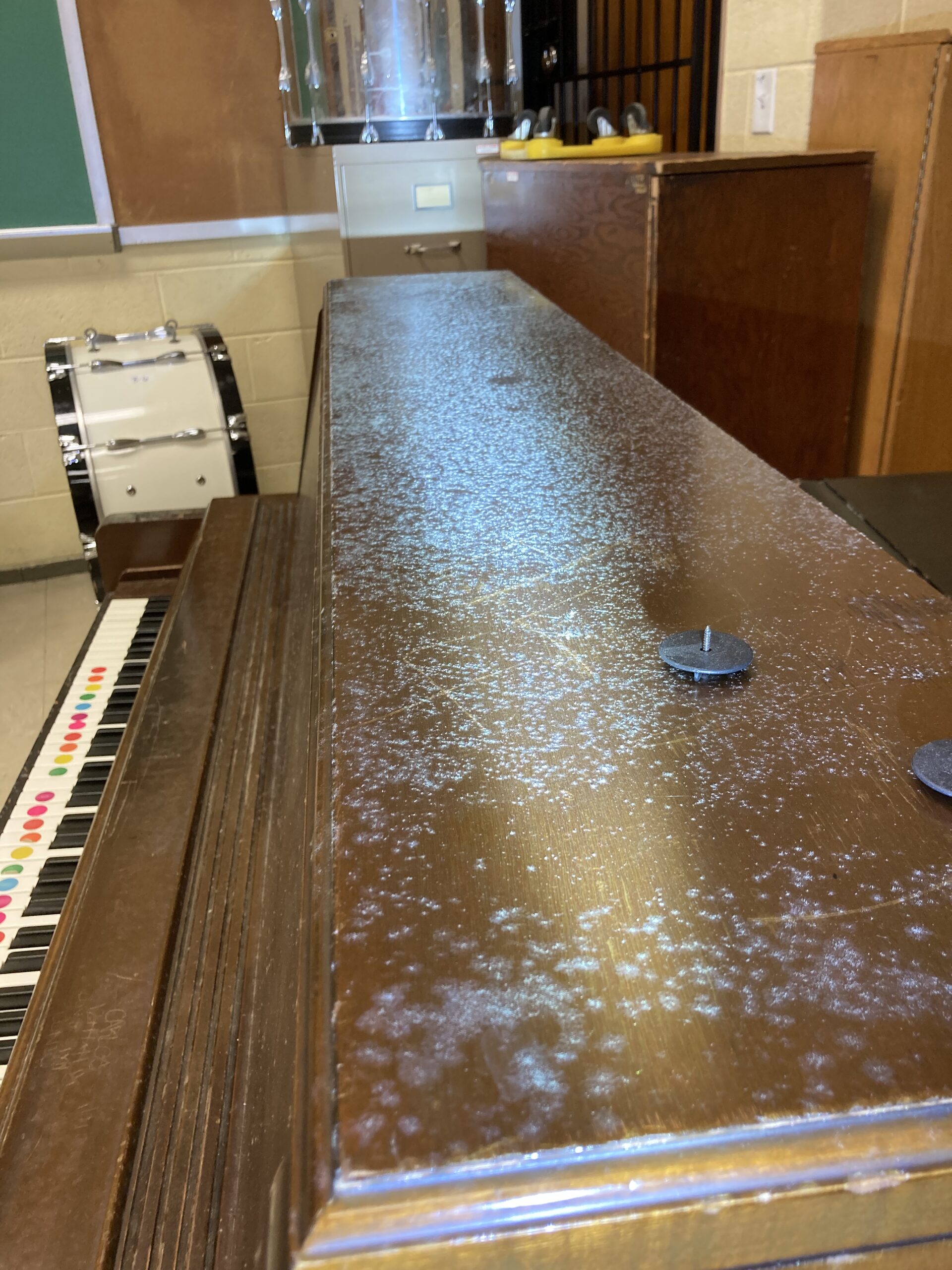
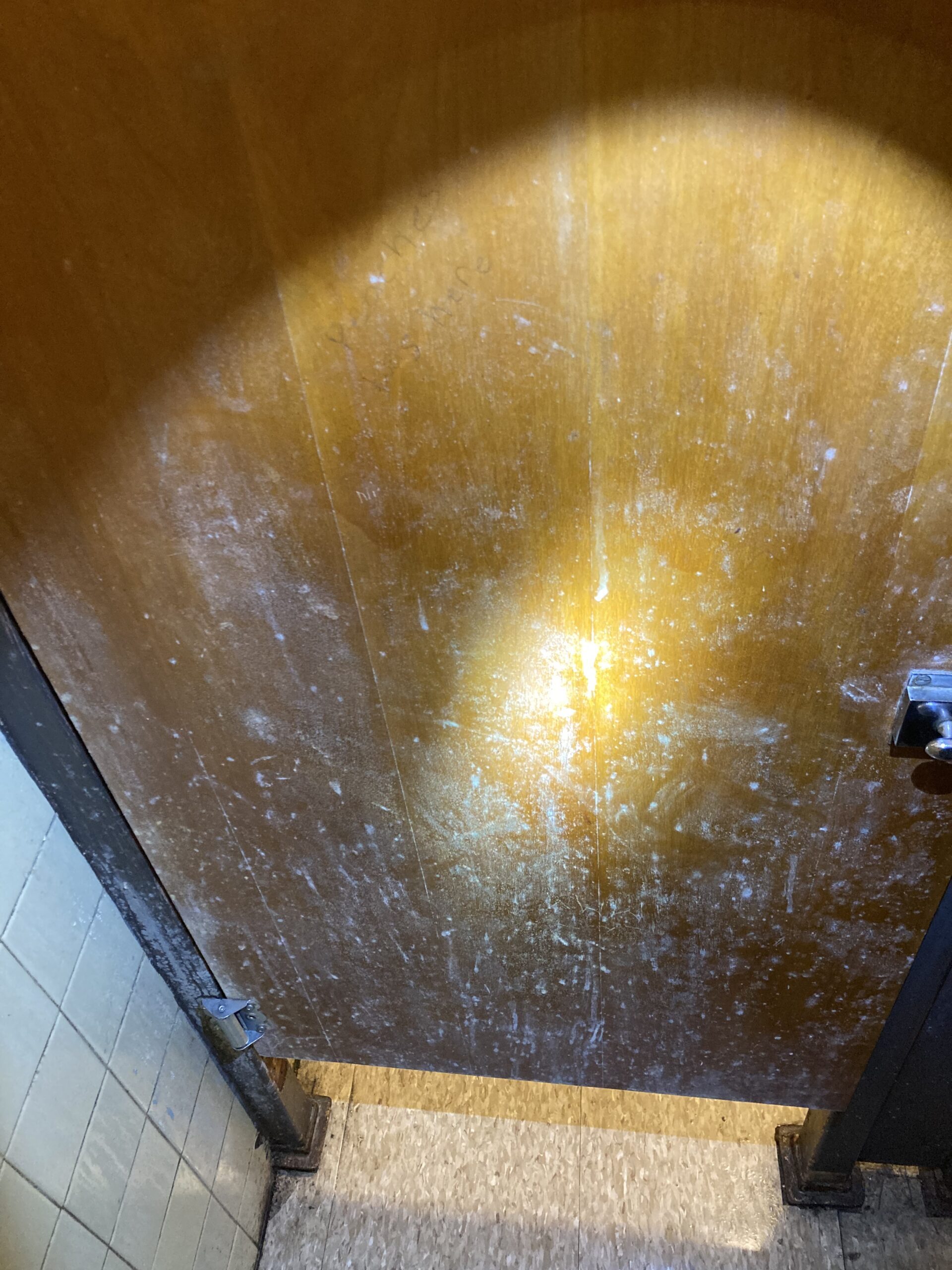
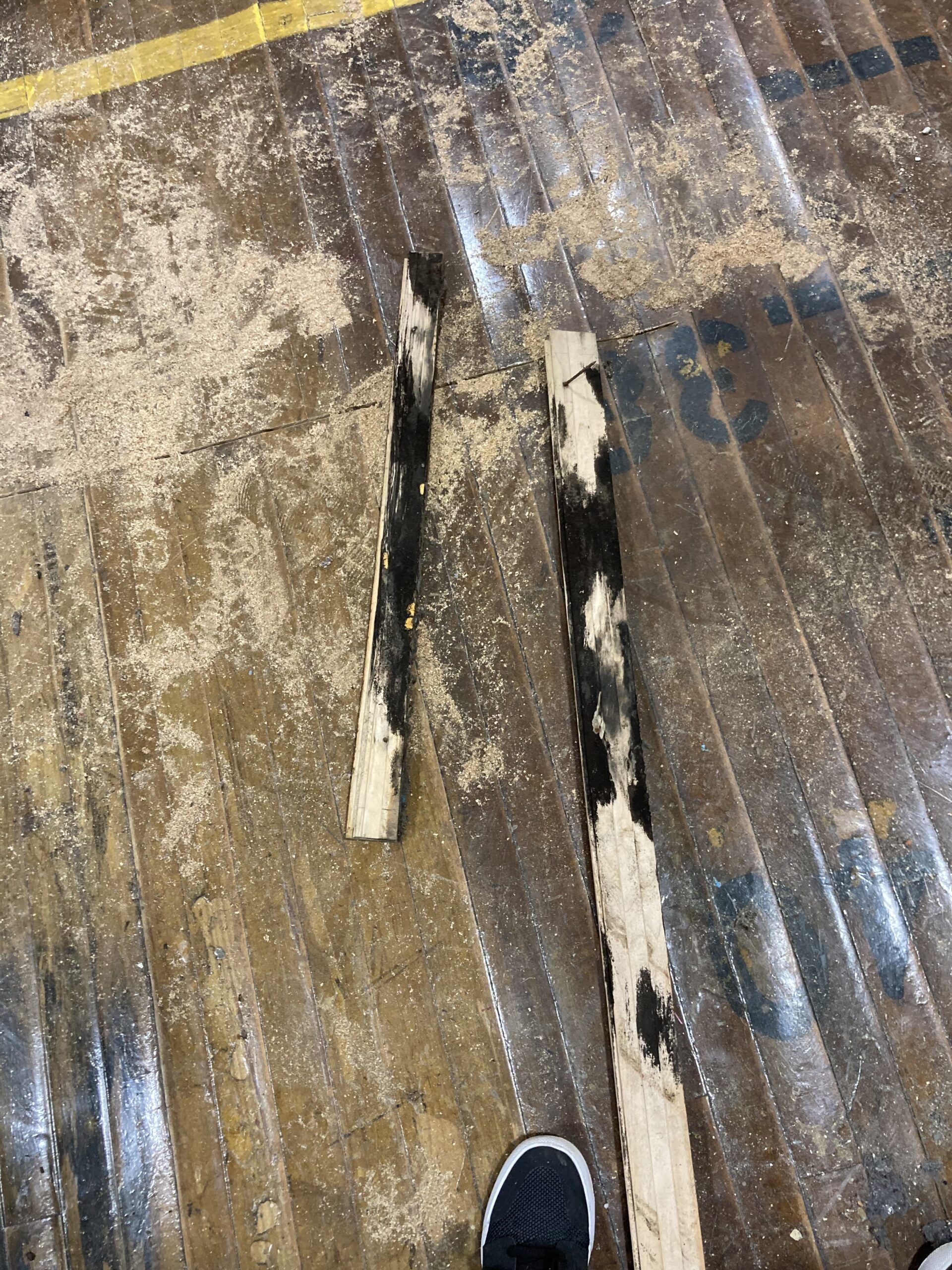
Mold is a type of fungus that thrives in damp, warm environments. It can grow on various surfaces, including walls, ceilings, floors, and even furniture. When mold spores are inhaled, they can cause a range of health problems, particularly for those with respiratory issues, allergies, or weakened immune systems.
Mold Inspections
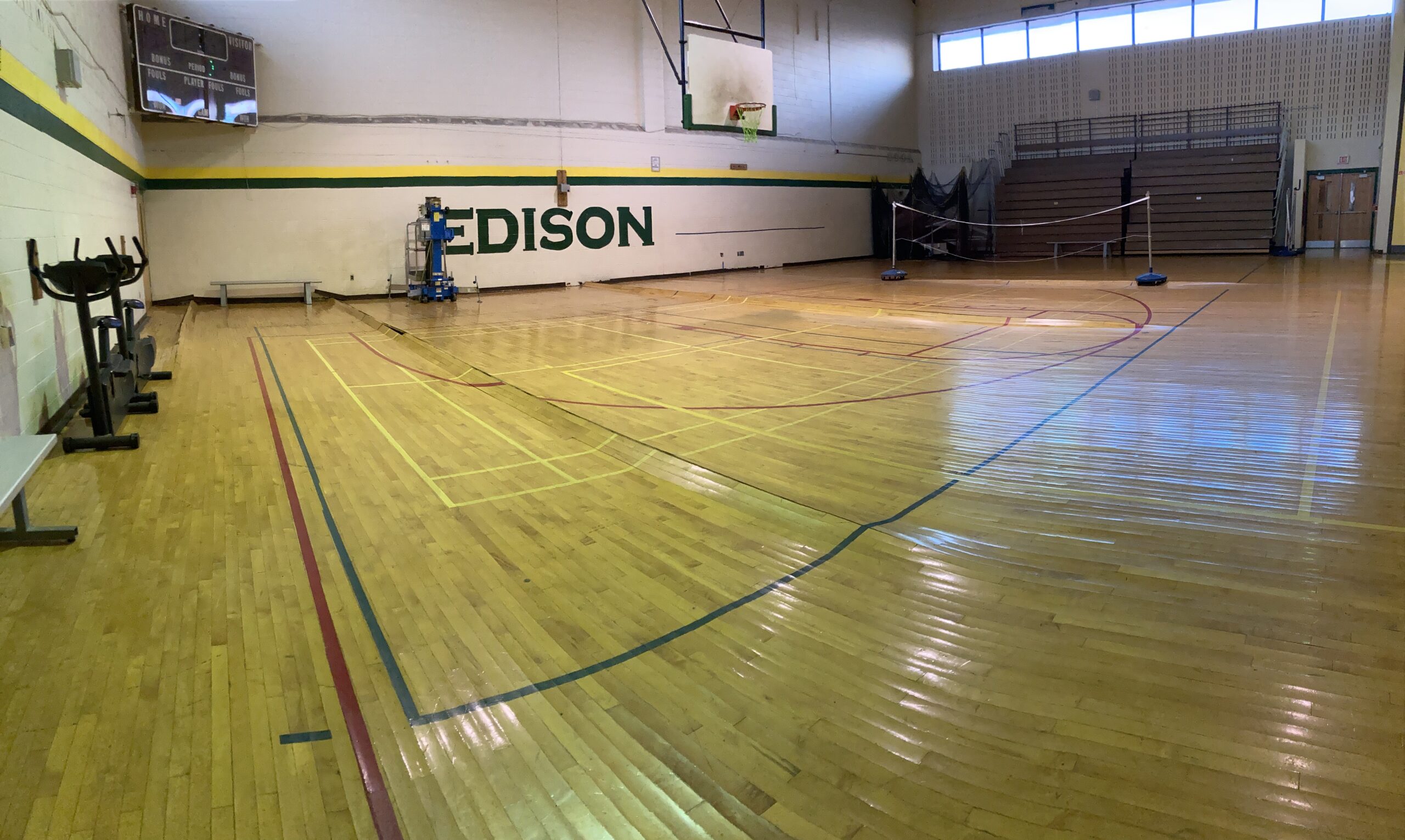
Criterion’s Mold Inspection services identify mold growth and, through moisture meters and Infrared Thermography, the sources of moisture that contribute to it.
Our certified inspectors use advanced tools and techniques to perform visual inspections, air sampling, and surface sampling.
Criterion provides detailed reports that outline the presence, type, and extent of mold contamination, along with recommendations for remediation.
Criterion’s Mold Inspection Process
- Initial Consultation: We begin with a thorough consultation to understand your concerns and the specific characteristics of your property.
- Visual Inspection: Our certified inspectors conduct a detailed visual inspection to identify visible signs of mold and moisture issues.
- Sampling and Testing: We perform air and surface sampling, which is then analyzed in our advanced laboratory to identify mold species and concentrations. Moisture detection is conducted to identify the source of the moisture.
- Detailed Reporting: We provide comprehensive reports that detail our findings, including the type and extent of mold contamination and moisture sources.
- Recommendations and Remediation Plans: Based on our findings, we offer practical recommendations and develop customized remediation plans to address and prevent mold issues.
Visit the EPA’s Mold Resources for more information.
Criterion’s Mold and Microbiology Testing Laboratory
Criterion’s Microbiology Laboratory is accredited by the AIHA Laboratory Accreditation Programs (AIHA LAP, LLC, LAP-100424) under the Environmental Microbiology Laboratory Accreditation Program (EMLAP).
Criterion offers microbiology testing for airborne, waterborne, and surface samples, including:
- Air and Surface sample analysis for Fungi (Mold), including identification of species levels for Aspergillus, Stachybotrys, and many others
- Surface, Air & Water sample analysis for E. coli, total coliform
- Surface, Air & Water sample analysis for Bacterial – gram positive, negative heterotrophic plate counts
- Air and Surface sampling for endotoxins
- Air and Surface sampling for Allergens
- Air sampling for Bioaerosols
Criterion can develop and perform an environmental sampling plan.
If you perform your own sampling, Criterion’s microbiology laboratory can provide you with the sampling equipment and media.


FAQ
What common types of mold does Criterion Labs identify in building samples?
Our accredited microbiology laboratory routinely identifies several primary categories of fungi during bulk and airborne surface testing:
- Cladosporium: A dark black or olive-green fungus frequently found on wet textiles, wood, wallpaper, and within HVAC ductwork systems.
- Penicillium: Known for its blue or green fuzzy appearance, it aggressively populates water-damaged building materials like carpets, insulation, and drywall.
- Aspergillus: Thrives in shades of white, yellow, or green, commonly colonizing damp structural walls and the interior mechanics of air conditioning units.
- Ascospores & Basidiospores: These broad fungal categories are naturally occurring outdoors. Our lab quantifies them to contrast background environmental levels against potential indoor amplification.
What laboratory methods and accreditations does Criterion hold for mold testing?
Criterion Labs is nationally accredited by the AIHA Laboratory Accreditation Programs (AIHA LAP, LLC, ID LAP-100424) under the Environmental Microbiology Laboratory Accreditation Program (EMLAP).
Our microbiologists process all samples using strict consensus standards:
- Airborne Spore Trap Testing: Analyzed microscopically utilizing method ASTM D7391-20.
- Surface Tape Lifts & Swabs: Evaluated under microscope utilizing method ASTM D7658-17 (2021).